Thinking about a home behind the gates in Reno? You are not alone. Many buyers come for privacy, low‑maintenance living, and access to golf, trails, and Lake Tahoe. Nevada’s lack of state personal income tax adds to the appeal, especially for relocation and second‑home buyers. In this guide, you will learn how gated communities work in Reno, what to look for in HOA rules and finances, how Montreux fits into the landscape, and a step‑by‑step checklist to tour and compare options with confidence. Let’s dive in.
Why choose gated living in Reno
Gated communities in south Reno offer a blend of privacy, amenities, and access to the outdoors. Many are within a 15 to 25 minute drive to Reno–Tahoe International Airport and major services, which is helpful if you travel often. The region’s high‑desert climate means four seasons, with summer heat in the valleys and periodic winter snowfall in foothill neighborhoods.
Community rules and services can simplify daily life. Many associations handle gate operations, landscaping of common areas, and snow removal. If you want convenience, that structure can help. If you want flexibility, you will want to review the rules closely.
If you track the market, local professionals and the Reno‑Sparks Association of REALTORS publish updates on sales trends you can use for timing and pricing decisions.
Gate types and amenities
Common gate models
- Guard‑gated entrances with staff onsite around the clock or during set hours.
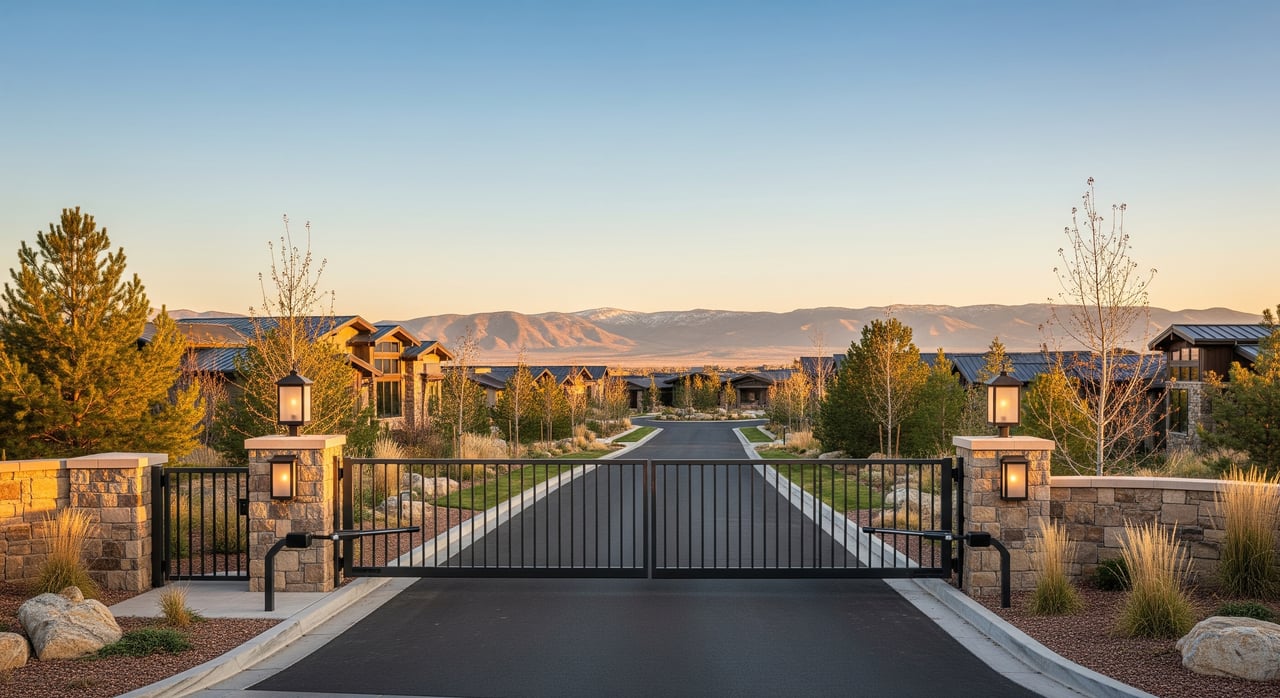
- Automated gates with remotes, fobs, or keypad access plus an intercom for guests.
- Decorative or resident‑only gates without active monitoring.
- Enhanced security with concierge services, most common in luxury golf communities.
Amenities you may find
- Golf and club access with dining and social events.
- Fitness centers, indoor or outdoor pools, and lap pools.
- Tennis or pickleball courts, walking paths, and trail connections.
- Family‑friendly features like playgrounds and community events.
- Services that support a lock‑and‑leave lifestyle, such as common‑area maintenance and, in some cases, property care options.
Which fit is right for you
- Families often prioritize play areas, everyday services nearby, and community programming.
- Second‑home buyers tend to value low‑maintenance living, privacy, and a strong social calendar.
- Investors should confirm rental policies early. Many gated communities limit or prohibit short‑term rentals.
Spotlight: Montreux
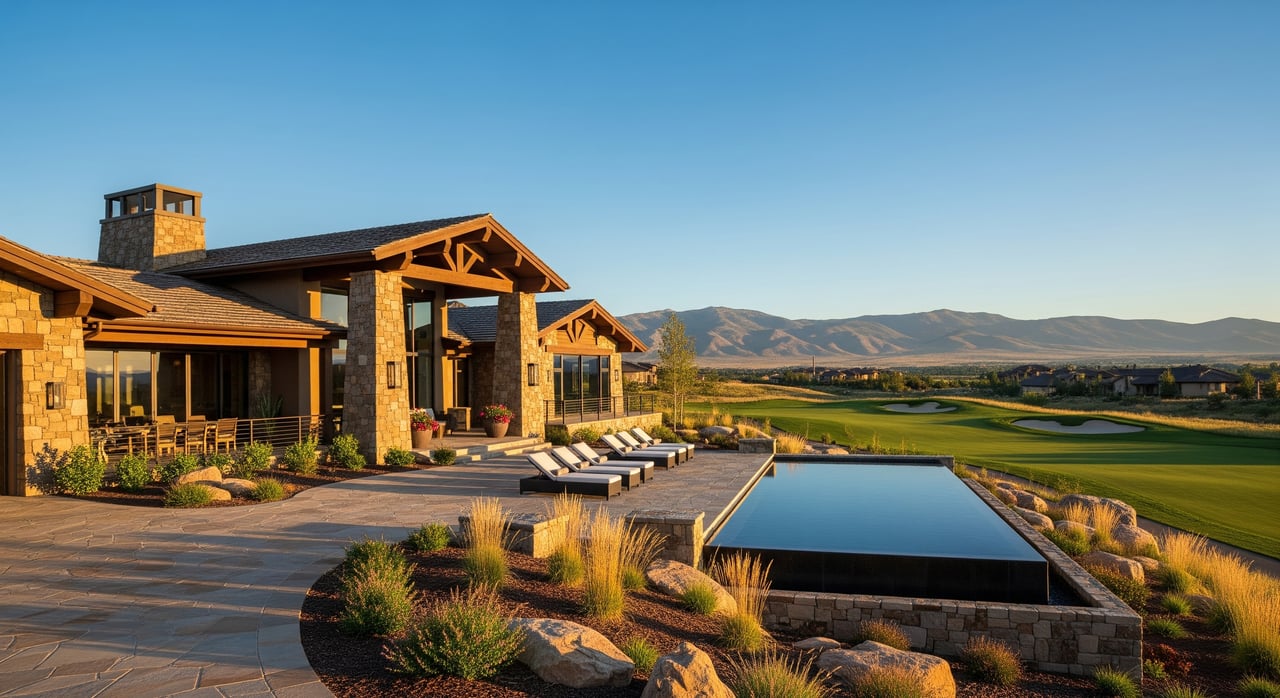
Montreux is a guard‑gated, master‑planned community in south Reno built around a private golf course and club experience. It is known for resort‑style living with a focus on golf, dining, and social events.
What it offers
Community materials commonly highlight a private golf course, clubhouse dining, fitness center, pool, and a full social calendar. Gate security and privacy are core features. For current club offerings, visit the Montreux Golf & Country Club.
Who it suits
Montreux can fit a range of buyers. Families may appreciate community programming and nearby services. Second‑home buyers often value club life, privacy, and the ease of a managed environment. If you plan to host guests or consider renting at times, confirm guest policies and any rental restrictions before you buy.
Dues and membership
Expect layered costs. There are HOA dues for the community and, if you choose or require club membership, separate initiation and ongoing club fees. Ask for the most recent HOA budget and reserve study, and request club membership documents so you understand privileges, costs, and transfer rules.
HOA rules and financials
Nevada’s common‑interest communities operate under NRS Chapter 116. That framework sets expectations for disclosures, governance, and owner rights.
Key documents to review
Request the full HOA disclosure packet before you make an offer. It should include:
- CC&Rs, bylaws, and rules and regulations.
- Current budget, reserve study, and, if available, audited financials.
- Meeting minutes from the last 12 to 24 months.
- Assessment history and any special assessments.
- Insurance summary for the association.
- Details for the management company and board contacts.
If you want to change exteriors or landscaping, review the Architectural Review Committee process. Confirm timelines, design standards, and fees.
Fees and reserves to assess
Look for a strong reserve fund and a recent reserve study. Ask about upcoming capital projects, how they are funded, and whether special assessments are planned. A high delinquency rate can signal collection issues and future risk.
For recorded CC&Rs or easements, you can search the Washoe County Recorder. For parcel details and tax records, visit the Washoe County Assessor.
Design changes and rentals
Rules can affect how you live in the home and how you can finance it. Rental and short‑term rental limitations are common in gated communities. If rentals are important to your plan, verify minimum lease terms, caps, and approval steps.
Tour like a pro
Use this on‑site checklist to compare communities:
- Visit at different times on weekdays and weekends. Note gate traffic, visitor entry procedures, and noise.
- Time the gate operation and guest access. Observe any backups during peak hours.
- Walk common areas. Look for consistent landscaping, clean pools, and well‑maintained paths and play areas.
- Check guest parking and signage. If you host often, on‑site parking matters.
- Talk to residents, if possible, to learn about rule enforcement, culture, and communication.
- Confirm proximity to groceries, schools, medical services, and the airport.
- Scan for wildfire preparedness. Look for defensible space and community vegetation management. Local guidance from the Truckee Meadows Fire Protection District can help you evaluate what you see on site.
Financing and insurance
Lending basics
Most lenders finance homes in private gated communities. Underwriters will review HOA documents and may have requirements tied to delinquency rates, litigation, or project characteristics. If you want a second‑home loan, expect different down payment and rate structures than a primary residence. If you plan to rent, confirm lender policies related to rental restrictions in the HOA.
Insurance and hazards
Understand what the HOA’s master policy covers and where your policy starts. Ask about coverage for structures, limited common elements, and liability. For hazard checks, confirm whether the property sits near a flood zone using the FEMA Flood Map Service Center. For wildfire exposure and defensible space needs, use local resources and community guidelines.
If premiums are a concern, ask your insurance broker for quotes early. Plans in wildfire‑prone areas or communities with recent claims can carry higher costs or require extra mitigation.
Buyer questions to ask
Ask these questions during due diligence or while touring:
- What are the exact monthly or quarterly HOA assessments and what do they cover?
- Are special assessments planned or recently approved?
- What is the current reserve balance and date of the most recent reserve study?
- How are rentals handled, including any minimum term rules and approval steps?
- What are the ARC requirements for exterior changes and timelines for approvals?
- How are gate security and visitor access handled, including hours and emergency access?
- Who enforces rules and how are violations addressed?
- For club communities, what are initiation fees, monthly dues, membership tiers, and transfer policies?
Next steps
If gated living fits your goals, start with the right documents. Request the HOA disclosure packet, meeting minutes, and insurance summary. For club communities, obtain current membership information. Cross‑check recorded CC&Rs or plats through the county and use the FEMA and fire‑district resources to understand hazards.
When you are ready, work with a local advisor who knows the south Reno gated landscape and can help you compare communities like Montreux in context. A focused plan will save you time and help you avoid surprises at closing.
If you would like a private consultation about Montreux and nearby gated options, connect with Michael Herman for tailored guidance and next steps.
FAQs
What makes Reno gated communities different from other markets?
- Many south Reno neighborhoods combine club‑style amenities with easy access to Lake Tahoe and the airport, plus Nevada’s tax advantages and a four‑season outdoor lifestyle.
How do HOA rules affect daily life in a gated community?
- Rules shape parking, exterior changes, rentals, and common‑area use; review CC&Rs, bylaws, and the rules and regulations before you write an offer.
What should I know about Montreux before buying?
- Confirm layered costs between HOA dues and club membership, review the latest reserve study, and request club documents outlining initiation fees, dues, and privileges.
How do I evaluate HOA financial health?
- Look for strong reserves, low delinquency, recent audited financials, and clear plans to fund capital projects without frequent special assessments.
Are short‑term rentals allowed in Reno gated communities?
- Policies vary and many communities restrict or prohibit short‑term rentals; verify minimum lease terms and any caps in the CC&Rs and rules.
What hazards should I check in south Reno foothills?
- Review wildfire defensible space on and around the property and check flood exposure on the FEMA maps; insurance availability and premiums can vary by risk.