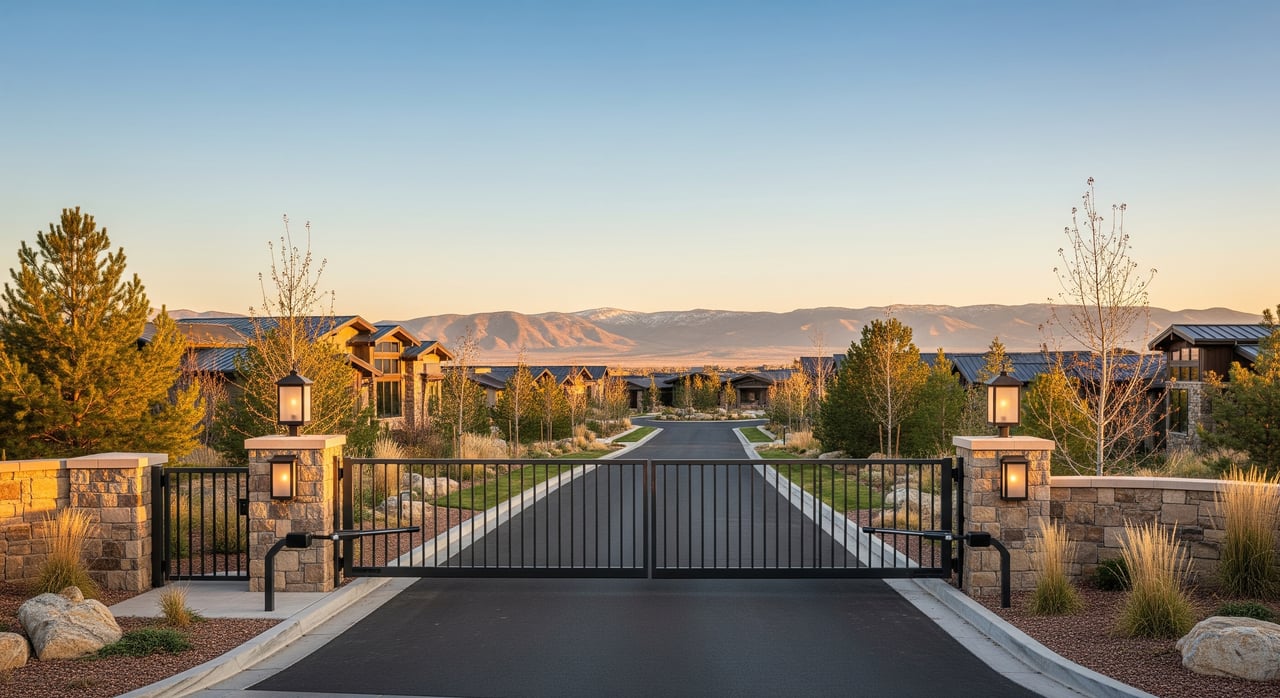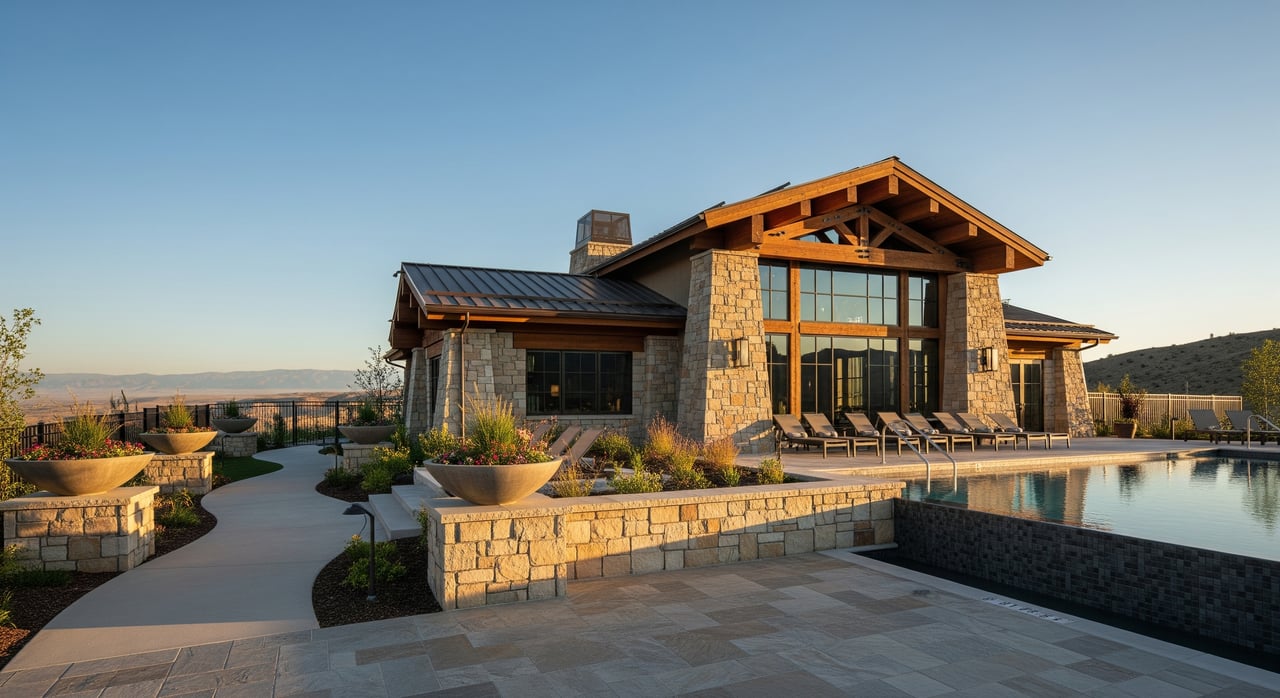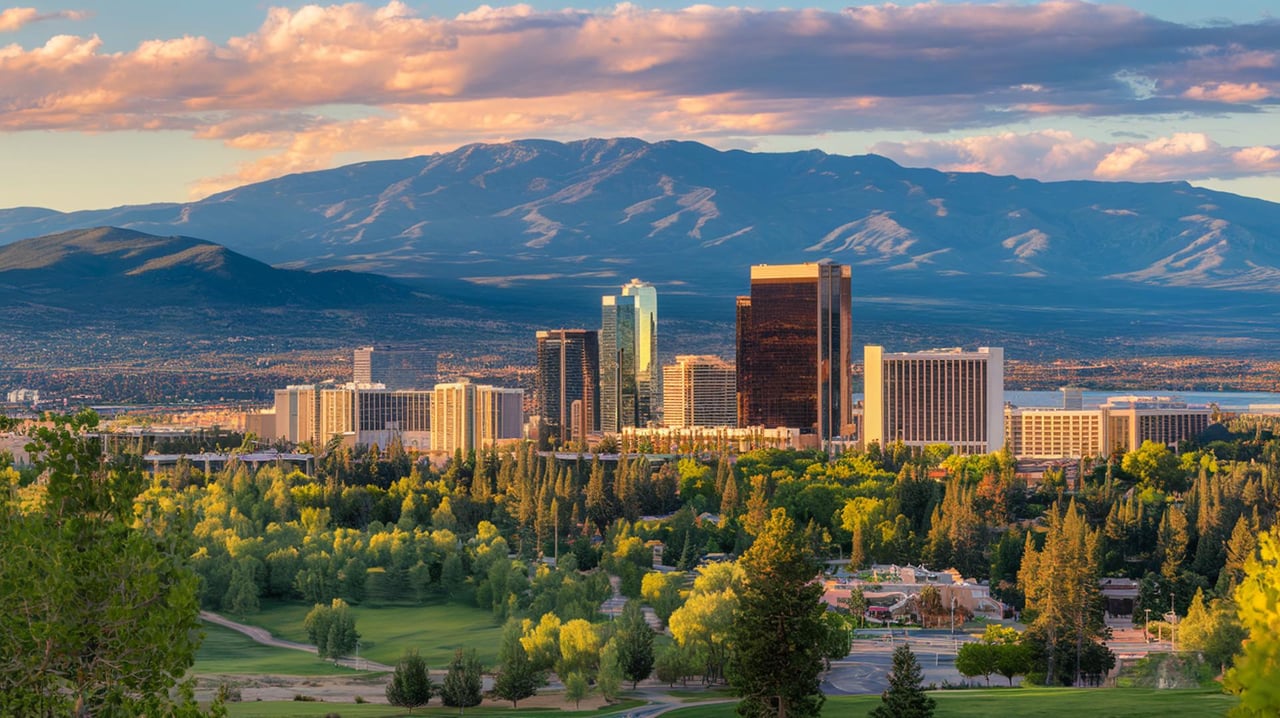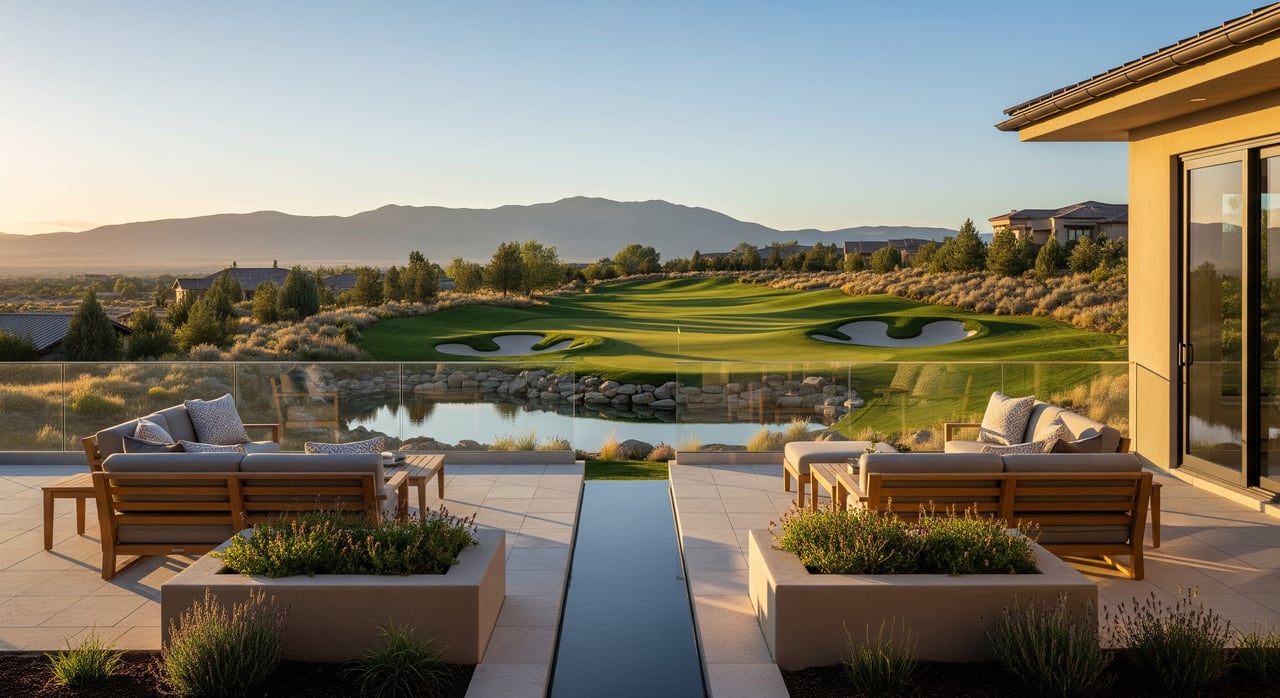
If a buyer falls in love with a Montreux home, it is often because of the view. Golf fairways, mountain backdrops, and seamless indoor–outdoor spaces are the lifestyle here, and your photos need to prove it. With a clear plan, careful timing, and the right permissions, you can deliver images that boost clicks and drive qualified showings. This guide shows you how to plan, shoot, and deliver photography that highlights Montreux’s best angles. Let’s dive in.
Why Montreux views matter
Buyers expect crisp, unobstructed vistas that show depth to the fairway and green. They look for patios and balconies that connect to the course and landscape. Strong images set the tone for value and can justify a premium. Your goal is to show the lifestyle without overstating it.
Get permissions first
Before you schedule, contact the HOA or property management to confirm access and any vendor rules. Coordinate with the private golf club or course operator about restrictions on drones, on-course positioning, and photographing players. For aerial work, follow FAA requirements for commercial operations and secure written permission from the HOA or club for flights over private course property. Build extra time into your schedule for gate access and check-ins on shoot day.
Plan the shoot like a local
Scout the home at the same time of day you intend to shoot. Note sun angle, window reflections, and the lines from interior to patio to fairway. Identify the handful of must-have views, like the living room opening to the course, the primary bedroom vista, and the main patio or balcony.
Time it for the light
- Golden hour about 30 to 60 minutes after sunrise and before sunset adds depth and warmth to fairways and facades.
- Blue hour 10 to 20 minutes after sunset or before sunrise is ideal for twilight exteriors with interior lights on.
- Midday works only for quick coverage when shadows are manageable. Overcast can be helpful for even detail shots.
- Consider season. Spring and early summer greens are lush, while fall brings rich color and longer shadows. Snow changes contrast and exposure needs.
Watch weather and maintenance
Check wind forecasts, since wind limits drone use and can cause motion blur in foliage and flags. If possible, coordinate after course maintenance for pristine surfaces, or plan angles to avoid distractions from active work.
Gear and settings that deliver
Use a full-frame or APS-C mirrorless or DSLR with solid low-light performance. Pair it with a wide zoom for interiors and exteriors, a standard zoom for medium views, and a 70–200 mm for compression shots that bring mountains and greens closer. A tripod with a level is essential for twilight, HDR brackets, and straight verticals. Consider LEDs or speedlights for interior fill, a polarizing filter to manage glare on water and foliage, and a remote release for stable long exposures.
Reliable baseline settings
- ISO 100 to 200 for clean files.
- Aperture f/8 to f/11 for exteriors and landscapes, f/4 to f/5.6 for selective depth.
- Bracket 2 to 5 stops in RAW for exposure blending that holds both sky and interior details.
- Keep white balance consistent and correct lens distortion in post.
- Use careful focus and back-button technique for consistency.
Compose for course vistas
Lead the eye using fairways, cart paths, or tree lines to create depth. Include foreground elements like planters, furniture, or a firepit to add scale. Frame the view through doorways or windows to highlight indoor–outdoor flow. A longer focal length helps compress distance so mountains and greens feel more dramatic, but avoid exaggeration that could mislead.
Priority shot list
Capture hero images during golden or blue hour, then move inside. Below is a practical sequence for Montreux properties with golf views.
Golden and blue hour heroes
- Exterior hero of the front facade, with course context if visible.
- Drone hero showing the home on or near the fairway with mountain backdrop when conditions allow and permissions are in place.
- Twilight exterior from the same hero angle, interior lights on, exposure blended.
Interior to exterior flow
- Living room facing the fairway with patio doors open and a balanced blend of interior and exterior exposure.
- Kitchen to patio connection highlighting dining or entertaining space.
- Primary bedroom with the view framed by windows or sliders.
- Covered patio or outdoor living area staged for entertaining with subtle foreground elements.
- Balcony or upper-level vantage, using a telephoto to compress green and backdrop.
Aerial and context
- Fairway approach view from a permitted position that shows hole direction and hazards.
- Property boundary to fairway distance to address privacy and safety questions.
- Clubhouse or neighborhood context with the home in frame if it adds clarity.
Detail and lifestyle accents
- Firepit or patio details with course beyond and tasteful props.
- Window framing the green for a tight storytelling shot.
- Water feature or bunker detail near the property, if relevant.
- Night lighting on amenities and exterior areas.
MLS and social assets
- Vertical crop of the hero for mobile.
- Short video or drone clip, 10 to 20 seconds, to show approach and flow.
- A 360 or panorama from patio to course if you are producing a virtual tour.
Stage for success
Ask sellers to clear patios, align furniture toward the course, and remove bins or golf gear from the frame. For twilight, have warm interior lights on and turn off cooler LEDs that can cause color mismatch. To cut window reflections, close blinds on opposite walls and open those that face the view. Use a few tasteful props to suggest use without clutter.
Drone, safety, and compliance
For commercial drone work, follow FAA rules for small UAS operations. Check local airspace, including the Reno area’s controlled zones and any temporary restrictions. Even if airspace is clear, get written permission from the HOA and the club for flights over private course property and for any on-course positioning. Do not enter tees, greens, or fairways without explicit approval, and avoid photographing identifiable people without consent. Carry liability insurance and proof if requested.
Deliverables that meet expectations
Provide high-resolution JPGs with at least 3000 pixels on the long edge for MLS and web. Deliver both horizontal and vertical crops of each hero. Include lightly edited versions for immediate use and retain RAW archives for future edits or compliance requests. If an HOA or agent asks, be ready to provide one unedited RAW for documentation.
Answer buyer questions with photos
Think like the buyer. Show how far the patio sits from the playable area. Include at least one frame that addresses privacy and stray ball concerns through distance, fencing, or landscape buffers. If there are mountain ridgelines, capture them with a telephoto from the best vantage. If not, avoid implying views that do not exist. Use a sequence that makes the indoor to outdoor flow obvious and appealing.
Workflow checklist
- Confirm HOA and club permissions, insurance requirements, and gate codes.
- Check airspace, weather, wind, and any temporary restrictions. Have commercial credentials ready for drones.
- Pack body, 16–35, 24–70, 70–200, tripod, level, polarizer, LEDs, remote, drone, and cleaning tools.
- Scout hero angles first. Capture golden and blue hour exteriors, then interiors and details.
- Bracket all hero and key view shots. Deliver horizontal and vertical options.
- Provide a concise set of heroes, 4 to 6 interior view images, 3 to 4 aerial context frames, and a few lifestyle details.
Bring it all together
When you honor Montreux’s rules, time the light, and shoot for flow, your listing stands out. The right sequence and composition help buyers picture everyday life on the patio, the calm of dawn over the fairway, and the glow of twilight gatherings. That emotional clarity increases clicks and creates stronger tours.
Ready to elevate your Montreux listing with premium, lifestyle-first presentation and a proven marketing plan that includes photography, video, staging coordination, and global distribution through Engel & Völkers? Contact Montreux Luxury Real Estate to Request a private Montreux consultation.
FAQs
What permissions do I need to photograph Montreux golf views?
- Contact the HOA and the golf club for access rules, on-course restrictions, and any vendor requirements, and follow FAA rules for any commercial drone work.
When is the best time to shoot fairway views in Reno?
- Plan for golden hour for warmth and depth, and blue hour for twilight exteriors with interior lights on, adjusting for seasonal light changes.
How should I show distance from the home to the fairway?
- Include a dedicated frame that shows the setback from patio to playable area, plus an elevated or drone view for clear context if permissions allow.
What gear helps with window and water glare on course shots?
- Use a polarizing filter carefully to cut reflections on water and foliage, and manage uneven polarization by avoiding extreme wide angles in broad skies.
How many final images should I deliver for a Montreux listing?
- Provide hero horizontal and vertical, a twilight exterior, 4 to 6 interior view shots, 3 to 4 aerial context images, and a few detail or lifestyle frames.